
How Voices of Black Mothers United Connects Families and Community Action
Voices of Black Mothers United has been part of Racine's public conversation about gun violence, including gatherings that brought neighbors together to remember people who died. Yet the work of supporting families continues long after an awareness event ends. At Open House Racine County, we try to look beyond a single date on the calendar and understand the people sustaining local community efforts. Here is what the initiative says it stands for, what has been documented in Racine, and how neighbors can respond with care.
A Family-Led Mission Beyond an Awareness Day
Voices of Black Mothers United, or VBMU, is an initiative of the nonprofit Woodson Center. Its stated work centers on families affected by the deaths of Black children and on helping their voices reach community discussions about safety. The organization describes family-led advocacy and community intervention as part of its mission.
Its published areas of focus include family and community intervention, advocacy, and promoting positive policing. Those phrases describe the initiative's goals; they do not mean every local chapter offers the same programs or services. A parent seeking grief support, for example, should confirm what a particular group can provide rather than assume that a national mission statement guarantees counseling in Racine.
The project also invites fathers, siblings, faith leaders, and other community members into the conversation. Families set the terms of their own participation. Listening is often the most respectful first contribution.
What the Racine Connection Shows
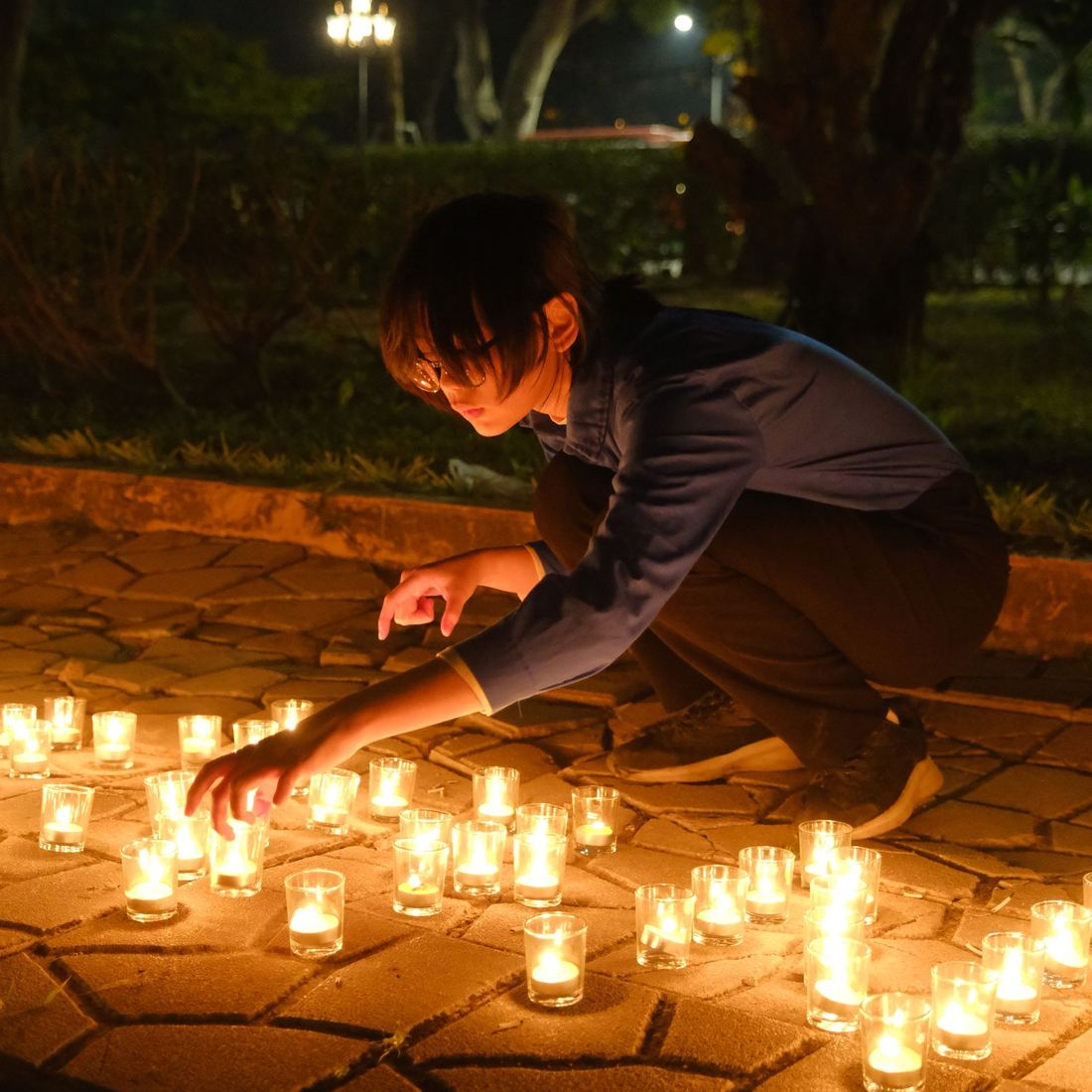
Racine has documented links to the initiative from earlier years. Local reporting in 2022 described a partnership with county violence-prevention efforts. In 2023, a public gathering for National Gun Violence Awareness Day brought residents together for remembrance, youth performances, and community discussion.
In Racine, neighbors came together in orange at one documented gathering. For people whose loved ones have died, however, a public event can carry a deeply personal cost. A photograph or speech may capture a moment, while the need for practical support continues after the crowd leaves.
These reports establish a local history, not an up-to-date schedule. We cannot assume a former meeting time, office contact, or partnership still applies today. Anyone wishing to attend or help should verify the current organizers and arrangements first.
Ways Neighbors Can Offer Help Without Taking Over
A family might welcome a public tribute, prefer a private conversation, or want no contact at all. We encourage residents to let families decide what kind of attention feels appropriate. If you are offering help, ask what would be useful before planning an activity in someone else's name.
A few everyday boundaries make participation more respectful. They matter at public events and in neighborhood online groups alike. Keep these in mind:
- Ask permission before sharing a person's name, photograph, or story.
- Offer practical help without asking anyone to recount a traumatic event.
- Use verified organizing channels before announcing an event or fundraiser.
- Respect a family's decision to decline media attention or public recognition.
A supportive gesture should not create another obligation for someone grieving. Volunteers can also help with ordinary event logistics when organizers request it, without speaking on behalf of affected families. For example, ask whether a public gathering needs assistance with accessible seating, printed materials, transportation arrangements, or cleanup. Agree on the task and a point of contact first. Keep private messages private, particularly when families ask for help away from the public eye.
Where Families Can Find Practical Information
Community advocacy and official victim services have different roles. A local group may offer a sense of connection and a place for public conversation. Questions about victims' rights, court processes, or service referrals may require a different source.
Wisconsin's Department of Justice Victim Resource Center provides information and referrals for crime victims. It also offers materials about rights and assistance with navigating the criminal justice process. The center does not give legal advice, and access to a particular program or financial assistance depends on the relevant eligibility rules.
For immediate danger, contact emergency services rather than wait for an advocacy organization to respond. For nonurgent questions, write down the kind of help needed before reaching out. That can make a difficult call easier and keep the conversation focused.
Keep the Conversation Local and Respectful
Those interested in VBMU can begin with its current mission and verify whether a nearby contact remains active. Then ask an organizer what support is needed rather than arriving with a ready-made agenda. A community forum, a quiet act of remembrance, or help with setup may each be appropriate in different circumstances.
Racine's public gatherings have shown that many neighbors want to take part. We can honor that interest while leaving room for families to make their own choices. Meaningful community support begins with consent and follows through after the banners come down.